
Corporate Training for Logistics Industry
Logistics organizations generate massive volumes of shipment, transportation, warehousing, inventory, fleet, procurement, and supply chain data every day. Logistics companies, freight forwarders, warehousing providers, courier & express companies, shipping organizations, import-export businesses, and distribution networks require skilled professionals who can analyze operational data, automate reporting, optimize supply chain processes, and make data-driven decisions to improve efficiency, customer satisfaction, and business performance.
Webs Jyoti delivers customized Logistics Industry Corporate Training programs in Advanced Excel, Microsoft Power BI, Microsoft Copilot, ChatGPT, Microsoft Power Automate, Excel VBA, Power Query, Data Analytics, and Dashboard Development. Our practical, hands-on training uses real logistics and supply chain scenarios including shipment tracking, warehouse management, inventory analytics, fleet performance dashboards, transportation reporting, procurement analysis, vendor performance, logistics MIS reporting, and supply chain analytics to improve productivity, operational efficiency, and business decision-making.
Why Logistics Organizations Choose Us
- ✔ Customized Training Programs
- ✔ Industry-Specific Case Studies
- ✔ 19+ Years Corporate Training Experience
- ✔ Pan India Trainer Network
- ✔ Pre & Post Training Assessment
- ✔ Certificate & Feedback Report
Logistics Companies We Have Trained
Trusted by leading logistics companies, freight forwarders, supply chain organizations, warehousing providers, transportation companies, shipping companies, and distribution networks through customized corporate training programs.

Continental Carriers
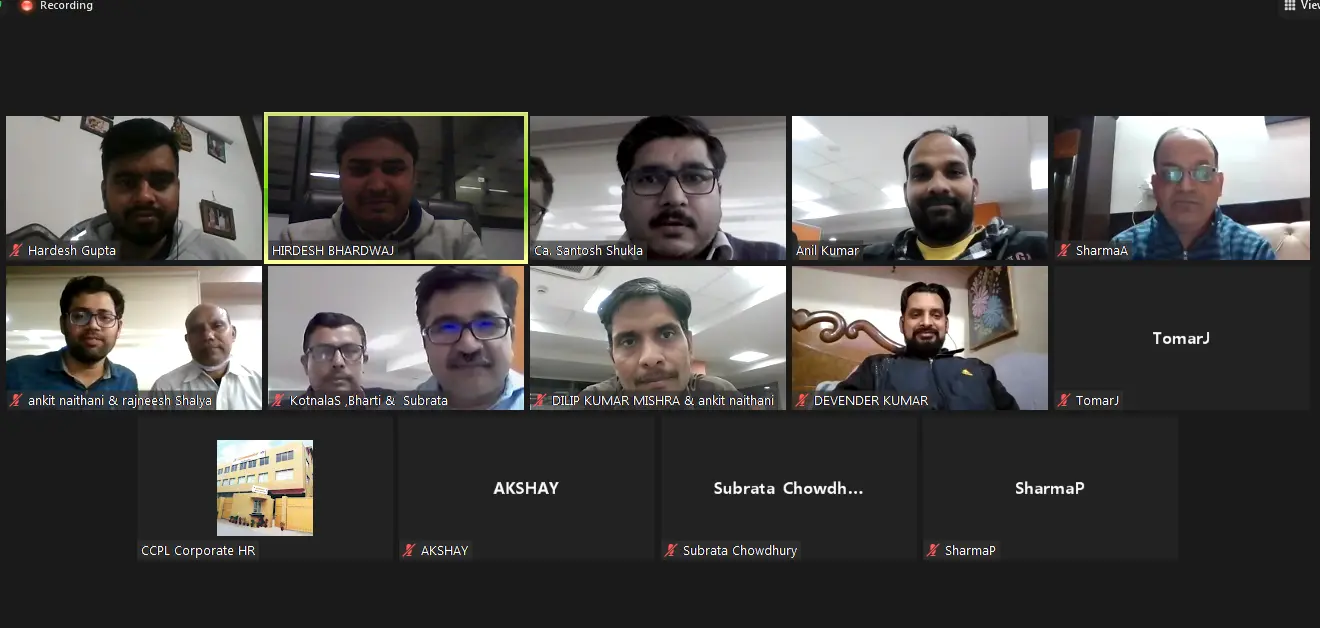
Advanced Excel & Data Analytics Training.

Logenix International
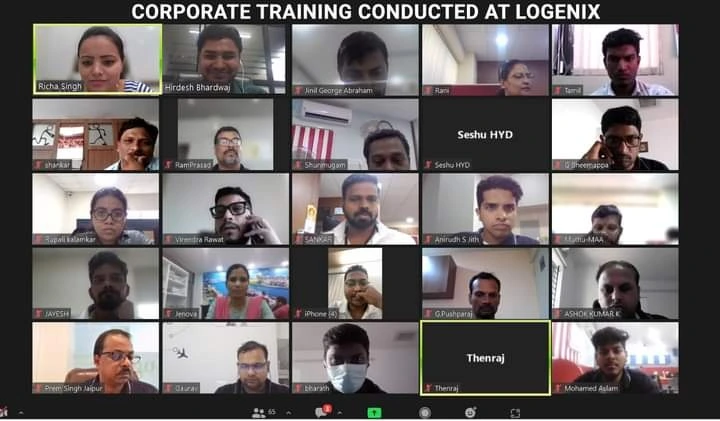
Outlook Automation using CoPilot Training.

BEUMER Group

Advanced Excel & Power BI Training.

GET Global
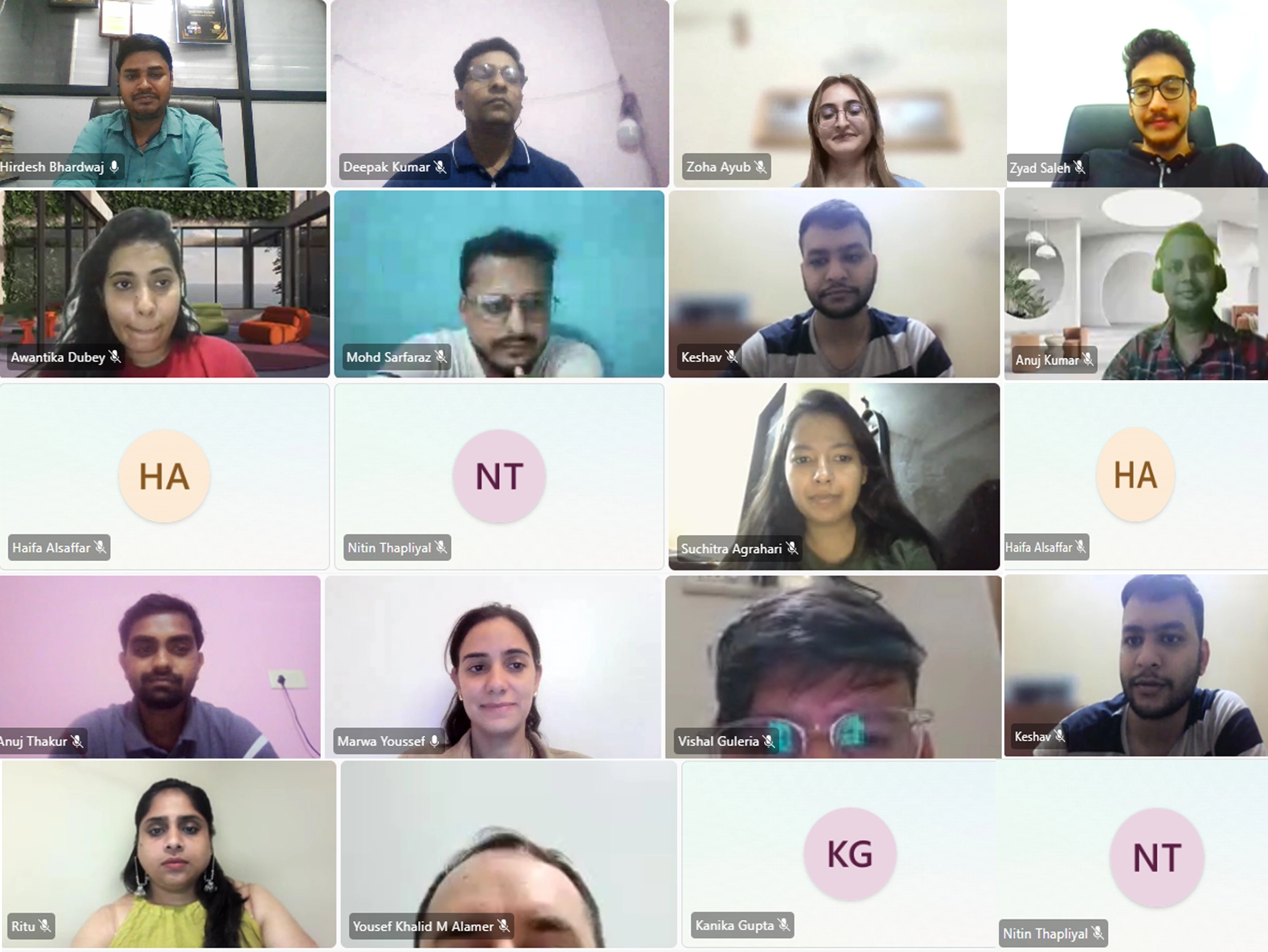
Advanced Excel & Power BI Training.

Olam Agro India
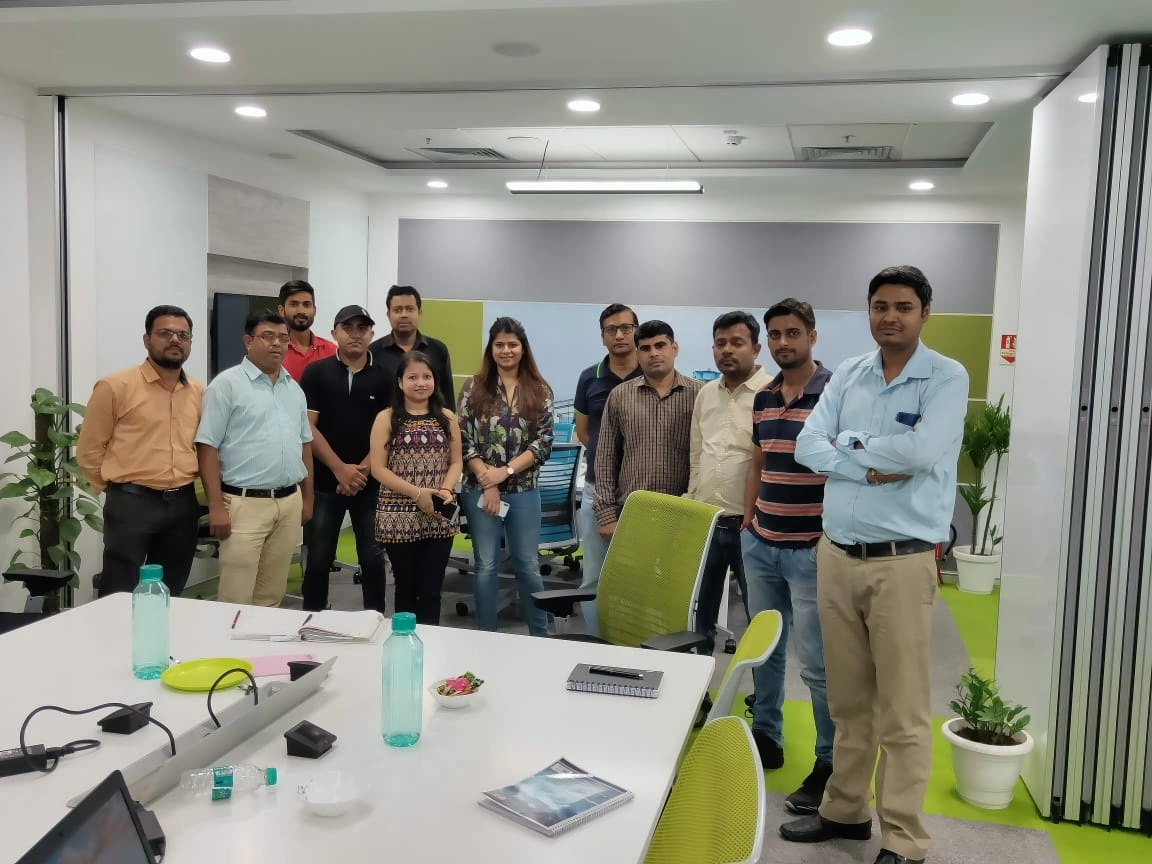
Advance Excel & BI Training.

FIA Global

Advanced Excel, PPT Training.

Del Monte Foods

Advanced Excel, PPT Training.
Common Business Challenges
- Heavy dependence on manual Excel reports, logistics MIS preparation, and supply chain reporting.
- Time-consuming shipment tracking, warehouse operations, inventory management, fleet monitoring, and transportation reporting.
- Limited knowledge of Advanced Excel, Power BI, Logistics Data Analytics, and dashboard development.
- Difficulty creating interactive dashboards for shipment tracking, warehouse performance, inventory management, transportation KPIs, and executive reporting.
- Lack of workflow automation for order processing, dispatch planning, warehouse approvals, vendor coordination, and logistics operations using Microsoft Power Automate.
- Low adoption of Microsoft Copilot and ChatGPT to improve productivity, report generation, logistics planning, documentation, and business communication.
- Shipment, inventory, fleet, warehouse, procurement, transportation, and supply chain data spread across multiple systems, making analysis and reporting difficult.
- Inconsistent MIS and reporting formats across departments such as Logistics Operations, Warehousing, Transportation, Procurement, Supply Chain, Finance, HR, and Customer Service.
- Challenges in analyzing shipment performance, warehouse efficiency, inventory turnover, fleet utilization, delivery timelines, transportation costs, vendor performance, and operational KPIs.
- Need to improve supply chain visibility, operational efficiency, cost optimization, customer satisfaction, collaboration, and data-driven decision-making across logistics and transportation organizations.
Departments We Train
Our corporate training programs are customized for logistics companies, freight forwarders, warehousing providers, transportation companies, shipping organizations, courier services, and supply chain businesses.
Logistics Operations
Shipment tracking, logistics MIS, delivery performance, and operational dashboards.
Warehouse Management
Inventory control, warehouse analytics, stock movement, and warehouse performance reporting.
Transportation & Fleet
Fleet utilization, route optimization, vehicle tracking, and transportation analytics.
Procurement & Supply Chain
Vendor management, procurement reporting, purchase analytics, and supply chain dashboards.
Finance & Accounts
Transportation cost analysis, budgeting, financial reporting, and profitability dashboards.
Customer Service
Shipment status reporting, customer support analytics, SLA monitoring, and service dashboards.
Human Resources
Employee analytics, attendance, payroll reports, workforce planning, and training dashboards.
Senior Management
Executive dashboards, KPI monitoring, supply chain analytics, cost optimization, and strategic decision-making.
Recommended Corporate Training Programs
Practical logistics-focused training programs designed to improve shipment tracking, warehouse management, supply chain visibility, operational efficiency, automation, and data-driven decision-making across logistics, transportation, and warehousing organizations.
Advanced Microsoft Excel
Master advanced formulas, PivotTables, dashboards, logistics MIS reporting, shipment analysis, inventory management, and operational reporting automation.
Microsoft Power BI
Create interactive dashboards for shipment tracking, warehouse operations, fleet performance, inventory analytics, procurement, and executive reporting.
Microsoft Copilot & ChatGPT
Leverage AI to automate logistics reporting, shipment documentation, business communication, operational planning, and productivity.
Microsoft Power Automate
Automate order processing, shipment approvals, warehouse workflows, notifications, vendor coordination, and repetitive logistics processes.
Excel VBA Automation
Automate logistics MIS reports, shipment tracking, inventory reconciliation, fleet reporting, and warehouse operations.
Logistics & Supply Chain Analytics
Analyze shipment performance, warehouse efficiency, inventory turnover, transportation costs, vendor performance, fleet utilization, and supply chain KPIs.
Popular Business Use Cases
Real-world logistics, supply chain, warehousing, transportation, freight forwarding, and distribution scenarios covered during our corporate training programs.
Our Corporate Training Methodology
Every logistics corporate training program follows a structured approach to improve supply chain efficiency, operational excellence, data-driven decision-making, and measurable business outcomes.
1
Business Requirement Analysis
Understand logistics operations, supply chain processes, business goals, participant profiles, and expected outcomes.
2
Training Need Assessment
Identify skill gaps in logistics, warehouse operations, transportation, reporting, and data analytics.
3
Customized Logistics Content
Develop industry-specific content using shipment tracking, warehouse, inventory, and supply chain case studies.
4
Domain Expert Trainers
Assign experienced trainers specializing in logistics, supply chain, Advanced Excel, Power BI, and AI.
5
Hands-on Practical Sessions
Interactive learning using live dashboards, logistics datasets, warehouse reports, and transportation analytics.
6
Real Logistics Case Studies
Solve shipment tracking, inventory optimization, fleet management, and supply chain reporting challenges.
7
Assessment & Certification
Conduct practical assessments, evaluate learning outcomes, and issue training completion certificates.
8
Performance Review
Measure training effectiveness, collect participant feedback, and recommend continuous process improvements.
Business Benefits
Our Logistics Industry corporate training programs help logistics companies, freight forwarders, warehousing providers, transportation companies, shipping organizations, and supply chain businesses improve operational efficiency, reporting accuracy, supply chain visibility, and data-driven decision-making through practical, hands-on learning.
Faster Logistics MIS Reporting
Generate accurate shipment reports, logistics MIS, warehouse dashboards, and management reports with greater efficiency.
Improved Productivity
Reduce manual work by automating shipment tracking, warehouse operations, inventory reporting, and logistics workflows.
Better Business Decisions
Leverage interactive dashboards and logistics analytics to improve operational planning and strategic decision-making.
Workflow Automation
Automate order processing, dispatch approvals, warehouse workflows, notifications, and repetitive logistics operations.
Improved Data Accuracy
Maintain accurate shipment, inventory, warehouse, transportation, procurement, and operational data across departments.
Interactive Logistics Dashboards
Monitor shipment status, warehouse performance, inventory levels, fleet utilization, transportation costs, and operational KPIs in real time.
AI-Enabled Workforce
Empower logistics teams with Microsoft Copilot, ChatGPT, and AI tools to improve reporting, planning, documentation, and productivity.
Supply Chain Optimization
Improve supply chain visibility, reduce operational costs, optimize inventory, enhance delivery performance, and support data-driven business growth.
Frequently Asked Questions
Everything you need to know about our Logistics Industry corporate training programs.